
Homes and residential properties
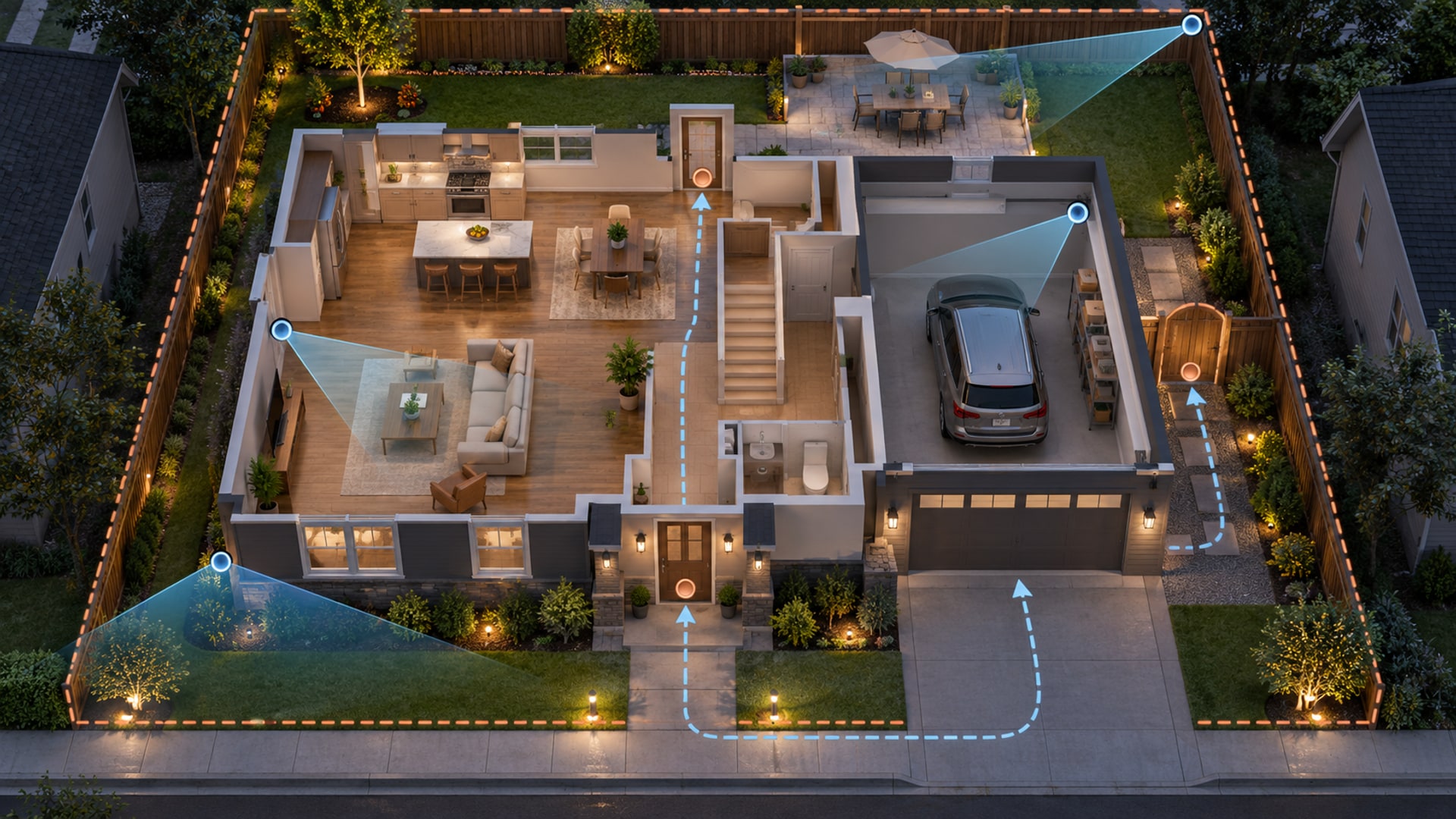
Personalized residential context connecting rooms, entrances and exits, the driveway and garage, side access, backyard, interior movement, device-planning considerations, and changing routines.
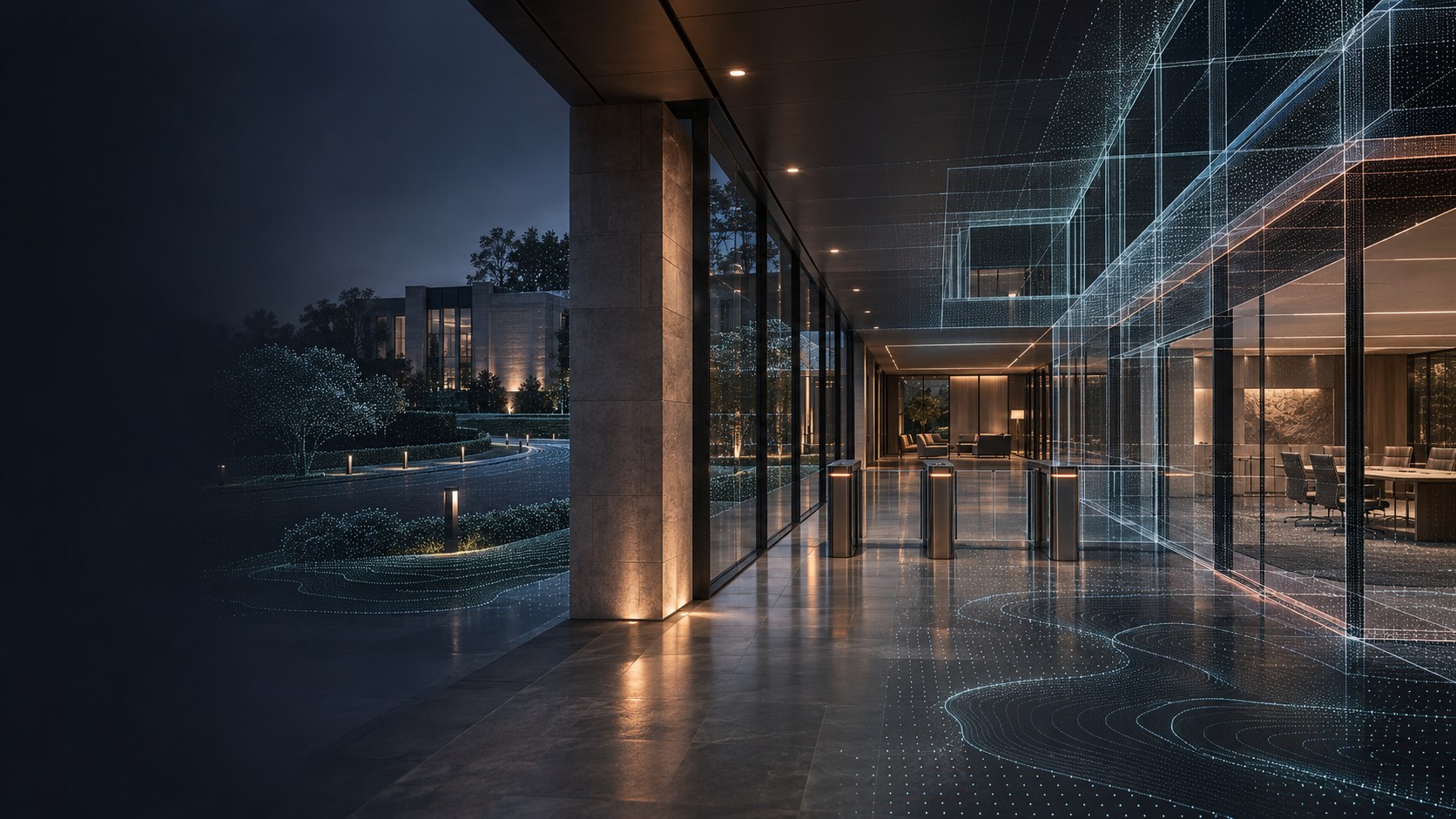
Nexus Spatial
Nexus Spatial is Rockwell Rose Holdings’ AI-assisted spatial security technology initiative, being developed to support environmental understanding, spatial assessment, protective planning, equipment integration, and continued reassessment across homes, businesses, facilities, and other operating environments.
Future vision
Nexus Spatial is being developed to carry environmental context from guided capture through AI-assisted review, protective planning, equipment integration, and future reassessment. In a residential setting, that context can include rooms, entries and exits, the garage and driveway, side access, the backyard, movement paths, and potential device locations. It is intended to support professional judgment by making spatial relationships and changing conditions easier to understand.
A guided approach intended to build a consistent spatial understanding of the environment being reviewed.
AI-assisted environmental understanding intended to help organize how spaces, access points, movement paths, and operating areas relate for professional review.
Structured spatial review intended to support awareness of physical, procedural, and technology-related vulnerabilities.
A clearer basis for evaluating potential protective improvements in the context of the full environment.
Spatial context intended to support thoughtful device placement and integration around how an environment is organized and used.
A foundation for revisiting conditions as layouts, occupancy, equipment, and operating requirements change over time.
Intended applications
From an everyday home and its normal routines to a workplace or complex facility, the long-term vision is to help customers and professional partners see how spaces, access, systems, people, and changing operating conditions relate before decisions are made.
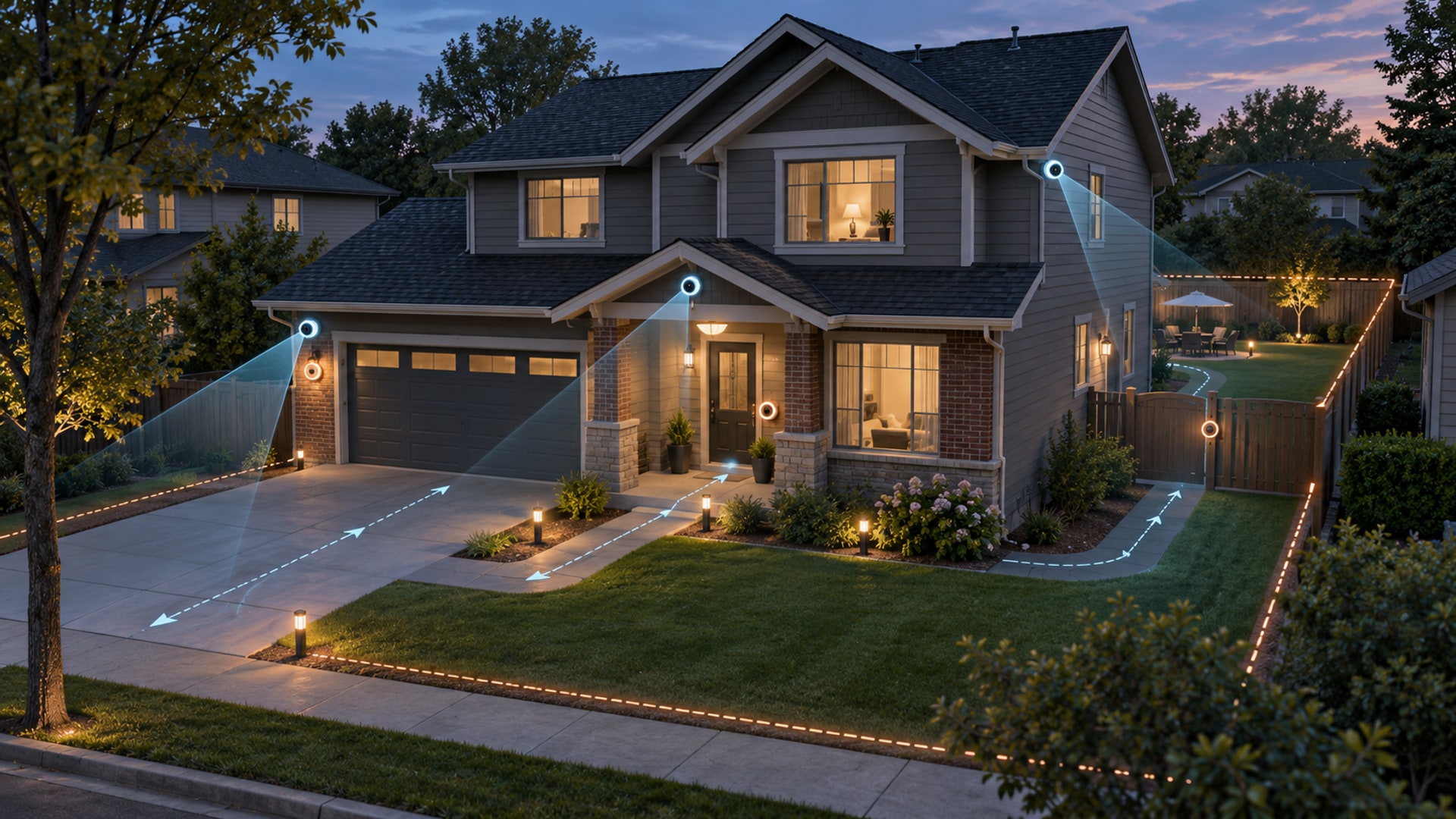
Personalized residential context connecting rooms, entrances and exits, the driveway and garage, side access, backyard, interior movement, device-planning considerations, and changing routines.
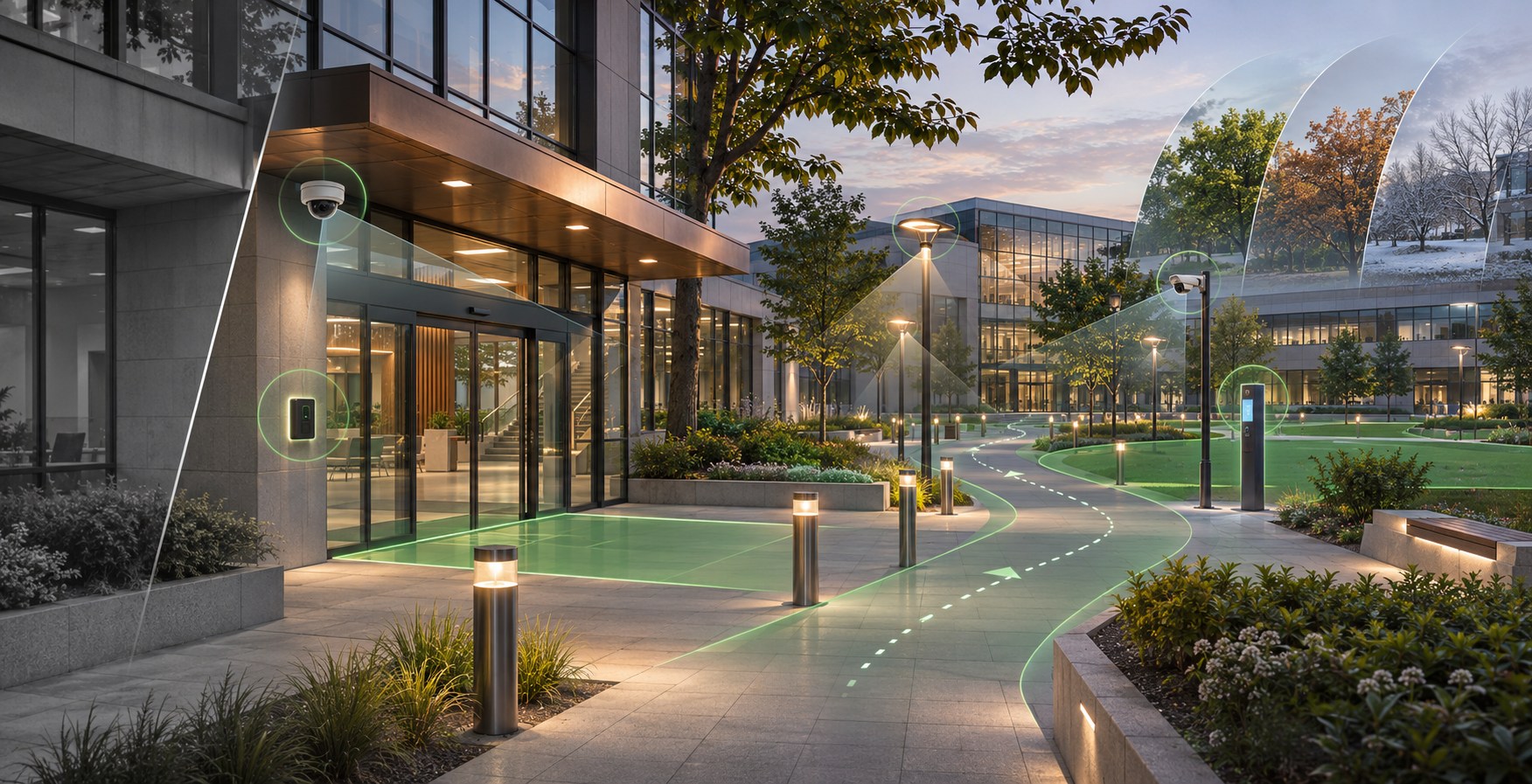
Spatial context to support workplace security, continuity, people, assets, procedures, and daily operations.
A structured perspective on larger environments with multiple uses, stakeholders, systems, and changing conditions.
A shared environmental reference intended to support professional assessment, planning, and technology integration.
Technology inquiry
Contact Rockwell Rose regarding a home or residential property, business or workplace, facility or institution, professional security perspective, or technology collaboration.
Contact Rockwell Rose